New Yorkers and New Jerseyans have been heading to South Florida for generations, and the reasons haven't changed much: no state income tax, warm winters, more space for the money and direct flights back home. But a move from the Northeast comes with some surprises, from how you prove you've really left New York for tax purposes to why your insurance bill looks so different. Here's what to know before, during and after your move.
1. Taxes: The Big Reason, and the Big Caveat
Florida has no personal state income tax and no state estate tax. For many people leaving New York or New Jersey, that's a large annual savings. But simply buying a Florida home doesn't end your New York or New Jersey tax residency.
- Your old state may audit your move. New York, for example, looks at where your home, business, time, family and most important possessions really are when you claim to have changed your domicile.
- Watch the 183-day rule. New York can still tax you as a "statutory resident" if you keep a permanent place to live there and spend more than 183 days in the state during the year, even after you've moved your domicile to Florida. New Jersey has a similar test.
- Build a clear Florida paper trail: a Florida driver license, vehicle registration and voter registration, a Declaration of Domicile filed with your county clerk, and the homestead exemption on your Florida home.
Talk to a CPA or tax attorney who handles New York or New Jersey residency before you move, especially if you'll keep property up north. The rules are detailed, and the dates you choose matter.
2. Florida Property Taxes Work Differently
Florida property taxes are set locally, and a few rules surprise buyers from up north:
- Your taxes reset when you buy. The home is reassessed after the sale, so don't budget from the seller's tax bill. It may be far lower than yours will be.
- File for the homestead exemption by March 1 of the year after you buy if it's your primary home. It reduces your taxable value by about $50,000 (part of it is now adjusted for inflation each year).
- The Save Our Homes cap then limits increases in your homestead's assessed value to 3% a year, or inflation if lower.
- Portability doesn't come with you from out of state. It only transfers savings from one Florida homestead to another.
3. The Real Cost Differences
| What changes | What to expect in South Florida |
|---|---|
| Homeowners insurance | Often much higher than in the Northeast. The roof's age, impact windows and the home's construction matter a lot. Get quotes before you make an offer. |
| Flood insurance | Standard policies don't cover flood. Lenders require it in high-risk zones, and many buyers carry it anyway. |
| HOA fees | Most suburban communities have an HOA, and some newer ones also have CDD fees on the tax bill. |
| Hurricane season | June 1 to November 30. Impact windows or shutters and a plan (some owners add a generator) become part of homeownership. |
| Heating vs. cooling | No more heating oil or snow removal, but air conditioning runs most of the year. |
| Getting around | Outside of a few walkable neighborhoods, South Florida is car-dependent. Brightline trains connect Miami, Fort Lauderdale, Boca Raton, West Palm Beach and Orlando. |
One more difference: most South Florida homes are built on slab, so there are no basements. Plan storage around garages, closets and attics.
4. Where to Live: Matching South Florida to Your Life Up North
If you want suburbs with top-rated public schools
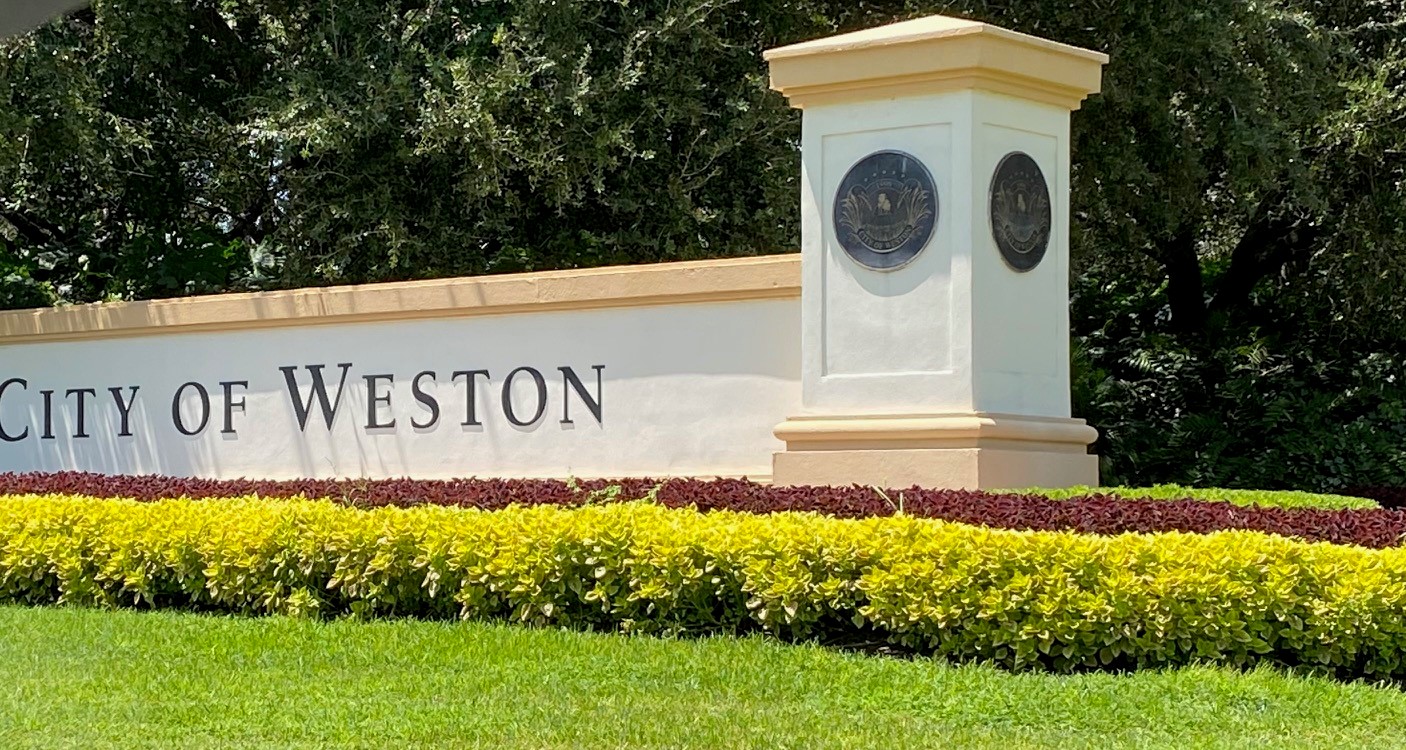
Weston, Parkland, Coral Springs, Cooper City and Davie in western Broward County offer planned communities, gated neighborhoods, parks and A-rated schools, about 30 to 40 minutes from Fort Lauderdale's airport and beaches. See gated communities in Weston zoned for A-rated schools.
If you want city living near the water
Fort Lauderdale's Las Olas and the beach, Brickell and Downtown Miami, and Coconut Grove offer walkable streets, restaurants and condo living closer to what you may be used to in Manhattan, Hoboken or Jersey City.
If you want coastal towns with a slower pace
Boca Raton, Delray Beach and the towns of Palm Beach County mix downtowns, beaches and golf communities.
If you're commuting or flying back often
Fort Lauderdale (FLL), Miami (MIA) and Palm Beach (PBI) airports all have frequent flights to the New York area. Pick your home with your airport and your daily drive in mind, since rush-hour traffic on I-95 and I-595 is real.
5. Your First 30 Days as a Florida Resident
- Get Florida auto insurance from a Florida-licensed agent. You need it before you can register your car.
- Register your vehicles within 10 days of becoming a resident (starting a job here, enrolling children in school, or signing a lease or buying a home here can count).
- Get your Florida driver license within 30 days. You'll surrender your New York or New Jersey license.
- Register to vote in Florida and cancel your registration up north.
- File a Declaration of Domicile with your county clerk.
- Enroll children in school and confirm your address's school zone with the district.
- Apply for the homestead exemption by March 1, and update your will, bank accounts, insurance and professional advisors to Florida.
6. Buying a South Florida Home from Out of State
Many buyers start their search from New York or New Jersey. With video tours, electronic signatures and remote closings, you can do much of the process from up north, and fly down for the final choices and the walk-through. You'll sign a written buyer agreement before touring homes, including by live video. See how I represent buyers.
"This time, I bought the house over facetime, as I was living in another part of the country, and she helped me negotiate a good price on the house."
Kerry DeBonis, client since 2012
Planning a move from New York or New Jersey?
Call or text Susan J Penn at 954-557-5993 or send a message. I'll help you compare neighborhoods, set up video tours and plan a house-hunting trip. Read my Buyer's Guide to get started.
This guide is general information, not tax or legal advice. Sources include the Florida Department of Highway Safety and Motor Vehicles (new resident rules), county property appraisers (homestead and Save Our Homes), and New York residency guidance from tax practitioners. Tax rules change; confirm your situation with a qualified advisor.